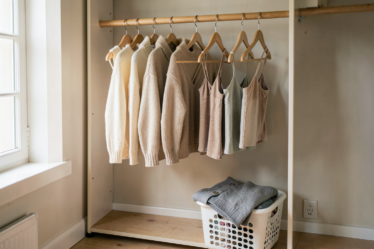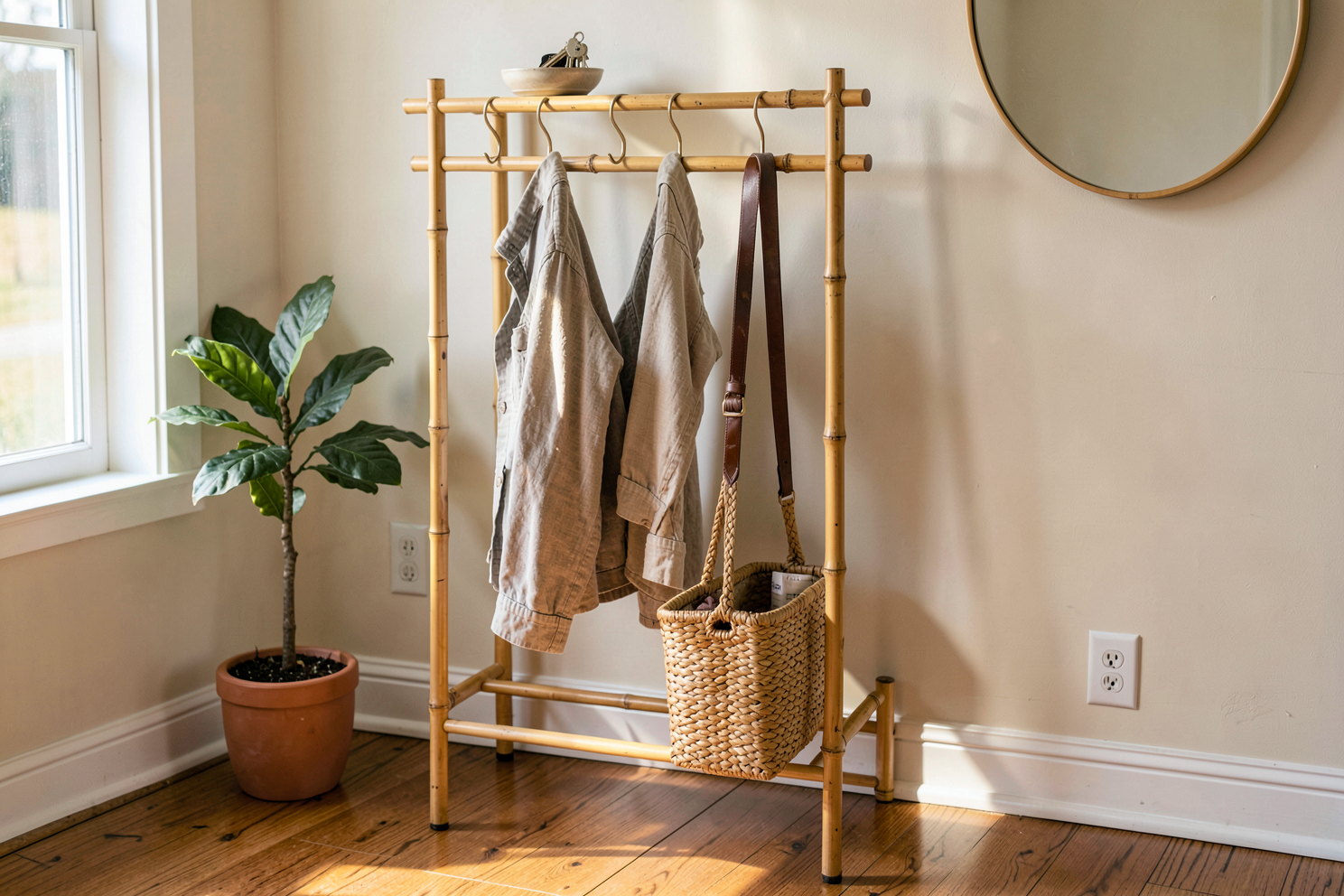
The answer is a freestanding rack with a shoe bench at the bottom, and the reason is simple. Your entryway doesn't need a hall tree bolted to the wall. It needs one piece of furniture that catches the coat, the bag, and the keys before they hit the floor. That's the whole job.
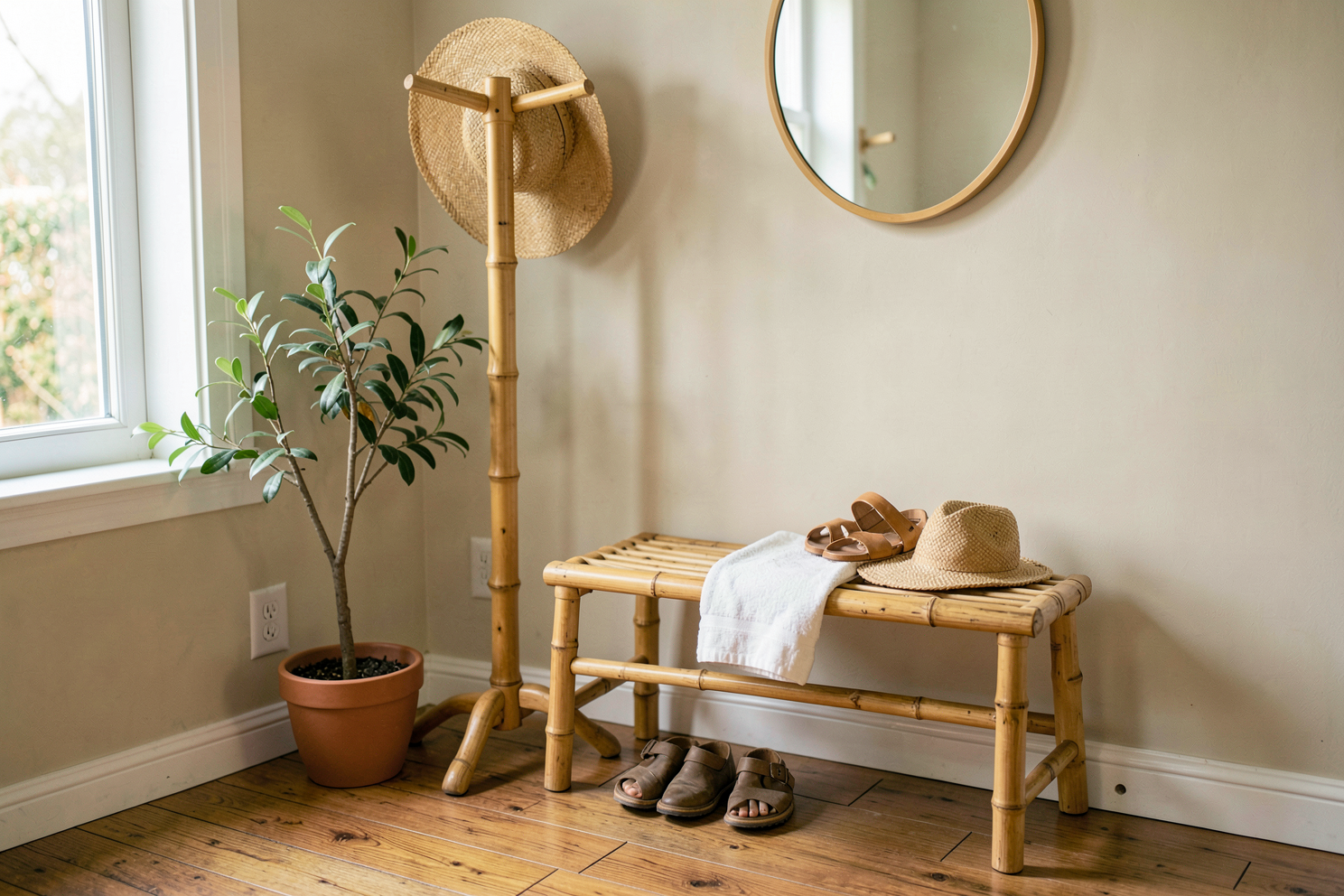
I've set up two entryways in rentals, and the second one worked because I stopped treating the rack as decoration and started treating it as a landing strip. Here's what actually matters, in the order it matters.
How many hooks do you actually need?
Count the people, then add two. A two-adult house needs six hooks minimum, because wet coats and dry coats don't share, and one hook always ends up holding a tote bag that never leaves. The VASAGLE 4-in-1 hall tree carries 9 removable hooks, which sounds excessive until you're in February with two damp jackets and a dog leash.
Removable is the detail I'd look for. Hooks that unscrew let you space them for bulky winter coats in January and tighten them back up for light jackets in April. Fixed hooks look tidier in photos and fight you in real life.
If you're one person in a small space, a plain stand with 5 or 6 hooks is plenty. The Furshus freestanding stand is that category. Search "freestanding coat rack stand" and you'll see the type — a central pole, a ring of hooks, a weighted base. It's light. That's the drawback: a light rack tips when something heavier than a coat gets hung on one side. Put it in a corner and it's fine.
What goes at the bottom of the rack?
The bench, and this is the part people skip. A rack with hooks only solves hanging. It doesn't solve the shoes, and shoes are what make an entryway look like a pile. The VASAGLE model pairs the hooks with a shoe bench, so the same footprint handles both. Search "freestanding coat rack with shoe bench" to see the shape — hooks on top, a flat seat at roughly knee height, a lower shelf for the shoes you wear daily.
Two tiers at the base is the useful configuration. Top shelf for the shoes in rotation, bottom for the ones you're storing. If a rack has only one shelf, everything lands in one heap and you've moved the pile, not fixed it.
A bench also gives you somewhere to sit while you tie shoes, which matters more than it sounds in a 4-foot entryway with no chair.
Where should it go in a warm neutral entryway?
Against the longest wall, out of the door's swing, and not centered. Centered racks read as furniture displays. Pushed to one side, with a small tray or bowl on top for keys, they read as a station. The eye expects the door to be the anchor, so let the rack sit just past it.
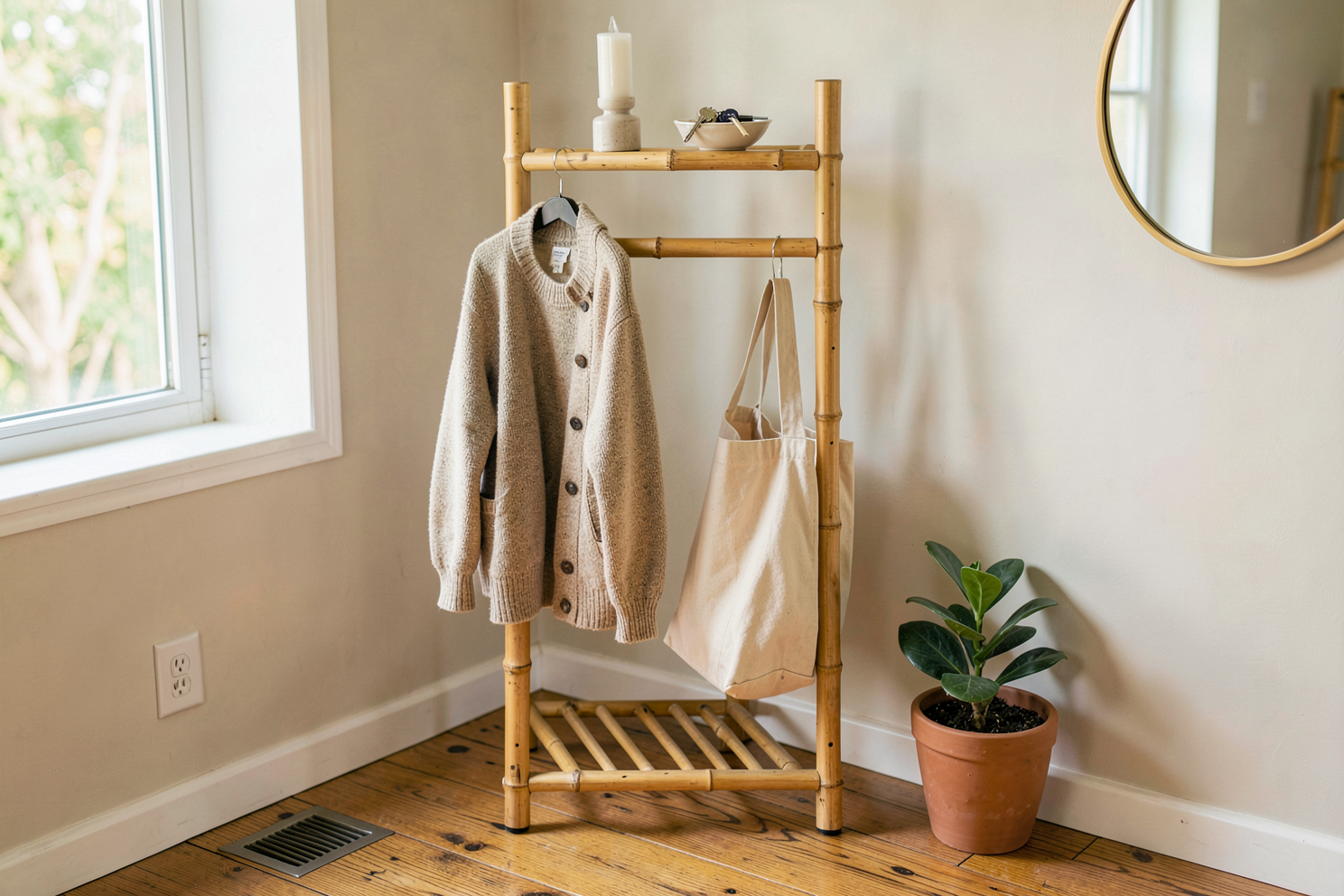
For warm neutrals, a wood-tone frame in oak or walnut blends where black metal goes graphic. Both work, but pick one and keep the rest of the entryway quiet. One rack, one tray, one small plant. That's the whole arrangement, and it's enough.
Keep 2 to 3 inches of clearance behind the rack so it doesn't scuff the wall when it shifts. Renters care about that more than they care about the hooks.
Do you need to anchor it to the wall?
No, and that's the point of this whole category. A freestanding rack with a bench base is stable on its own, and the anti-tip strap that ships in the box is optional for most renters. Use it if you have kids who climb, or a cat who treats the top shelf as a launch pad. Otherwise, weight at the bottom does the work.
The trade-off: a freestanding rack holds less than a wall-mounted system. You're not hanging a vacuum or a heavy backpack on it long-term. Coats, bags, hats, keys, and shoes — that's the load. Anything heavier belongs on a closet hook, and if you don't have one, that's a different problem.
What I'd skip
Thin acrylic anything near an entryway. I've watched a clear acrylic organizer crack under the weight of a cereal box, and an entryway is a harsher environment than a pantry shelf. Skip it here too.
Also skip the "looks nice" storage box with no assigned contents. A decorative bin in the entryway becomes a place where mail goes to die. If it doesn't have a job, it's decorating, and decorating doesn't keep your keys off the floor. I've done this. It didn't count.
The cheapest first step
Before you buy anything, stand in your entryway for one minute at the end of a normal day and look at where things actually land. That spot is your drop zone. Then measure the wall you'd put a rack against, and buy the one that fits that number — not the one with the best photos. A rack that fits the wall and holds the coats is worth more than a prettier one that doesn't.
Start with the freestanding rack with a bench, add a tray for keys, and give the shoes a shelf. One piece, one corner, no drilling. That's the whole drop zone.
• VASAGLE Coat Rack, Hall Tree with Shoe Bench, 4-in-1, 9 Removable Hooks · 49.99 — 4.7 stars from nearly 16,000 reviews and the #1 bestseller — a 4-in-1 rack that covers coats, shoes, and keys in one piece.
• Furshus Coat Rack Freestanding, Hat and Coat Rack Stand · 18.99 — 4.5 stars across 200+ reviews at under $20 — a lightweight, budget-friendly option for a small entryway.